Environmental Monitoring
Digital Twin
Water Management
FKZ 02WDG1756
AseeDiZi
Autonomous environmental monitoring of post-mining lakes for the development of digital twins as assessment and forecasting tools
Duration: November 1, 2025 – October 31, 2027
Consortium:
Contact Person (Coordinator)
Prof. Dr. Sebastian Zug
Technische Universität Bergakademie Freiberg
Bernhard-von-Cotta-Straße 2
09599 Freiberg
What the Project Is About
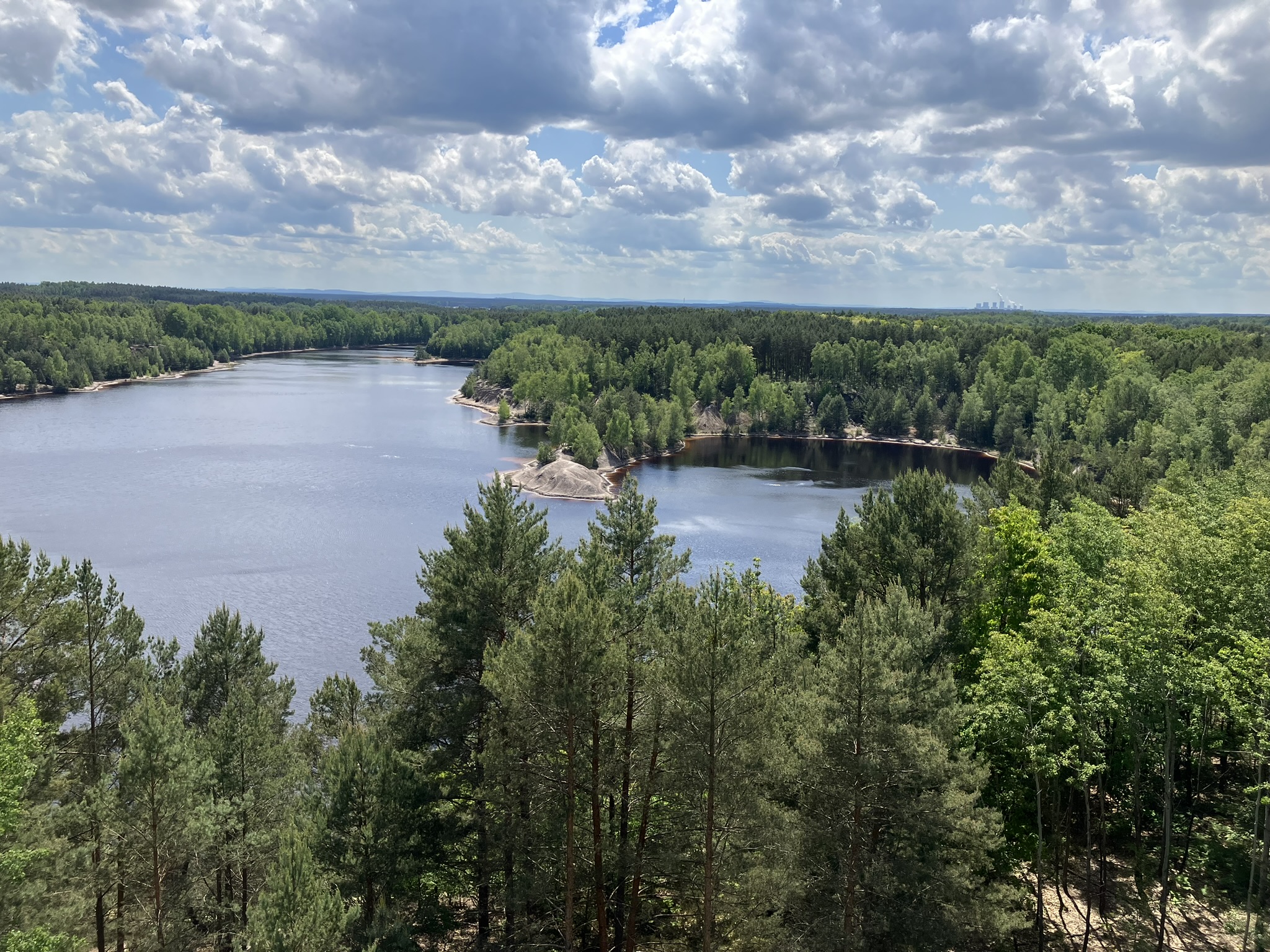
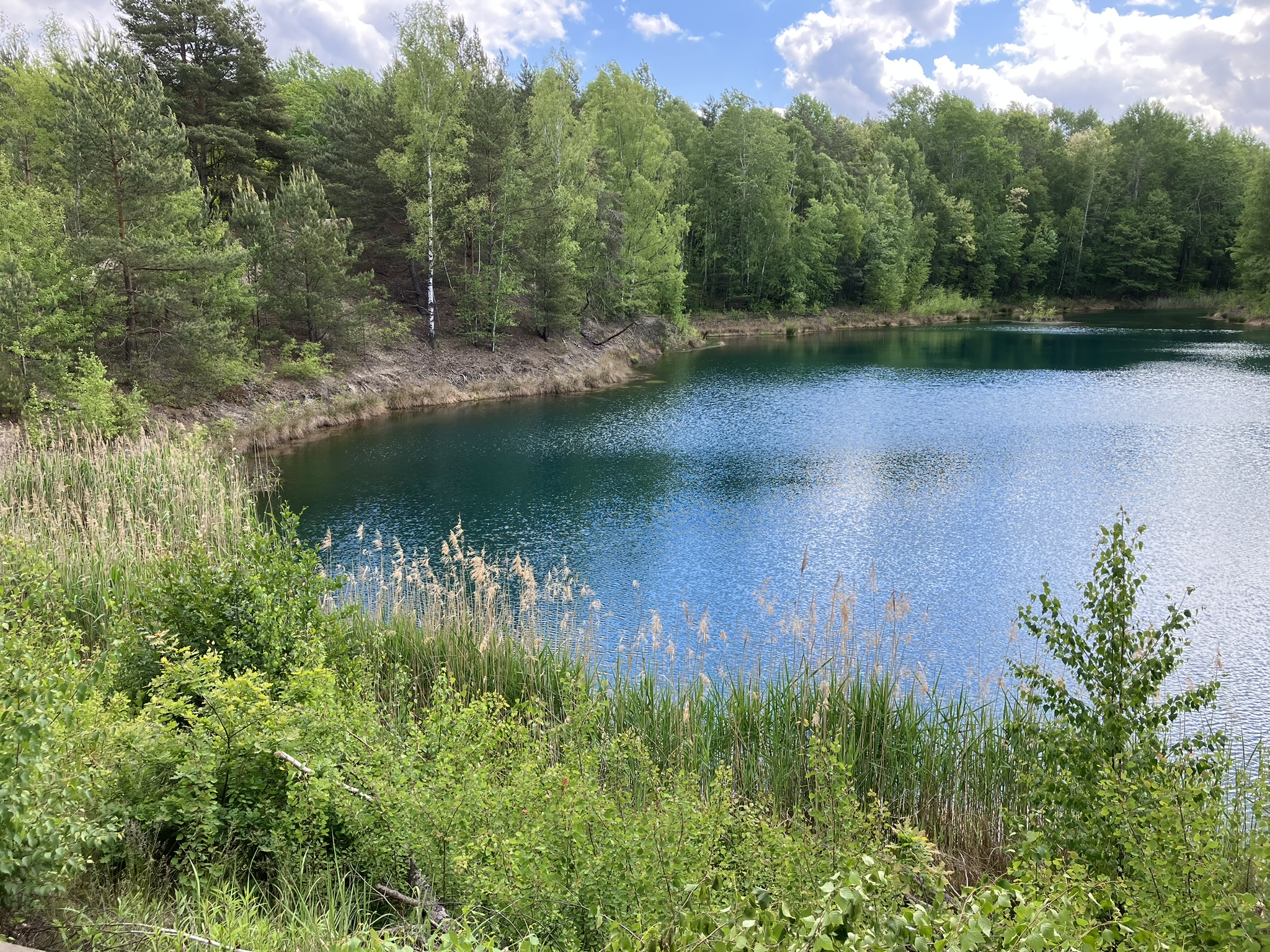
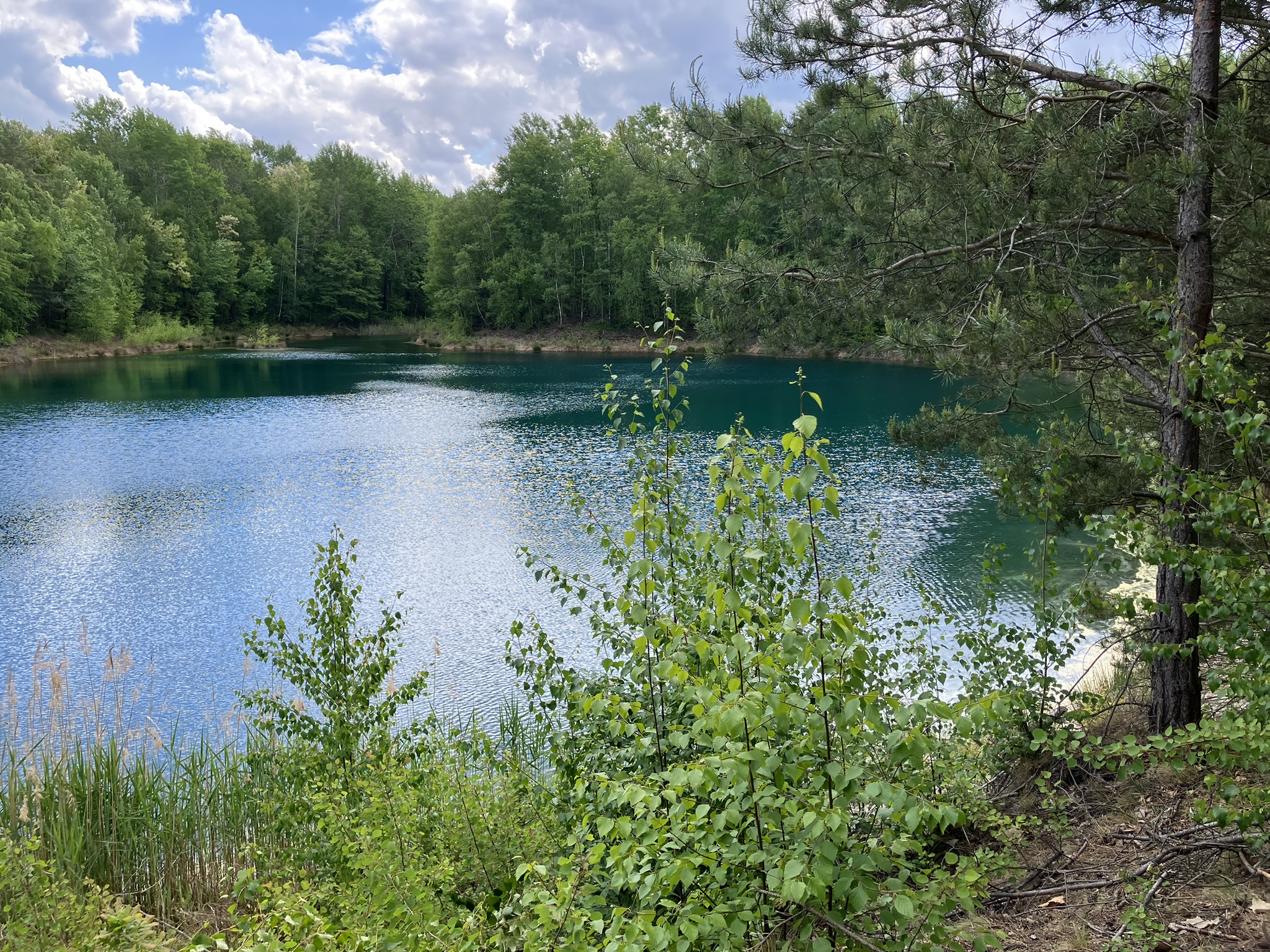
The AseeDiZi project aims to enable forecasts of the short- and medium-term development of post-mining lakes. This includes evaluating current measures to stabilize water quality (particularly neutralization through liming) as well as forecasting future biogeochemical and ecological developments. This forecasting tool is based on digital twins of post-mining lakes, which in turn require a spatially and temporally high-resolution dataset that characterizes the water body at the biological, chemical, and physical levels. This data requirement, which encompasses both the water body itself and its surroundings, cannot be met by existing manual surveying techniques and stationary measurement probes.
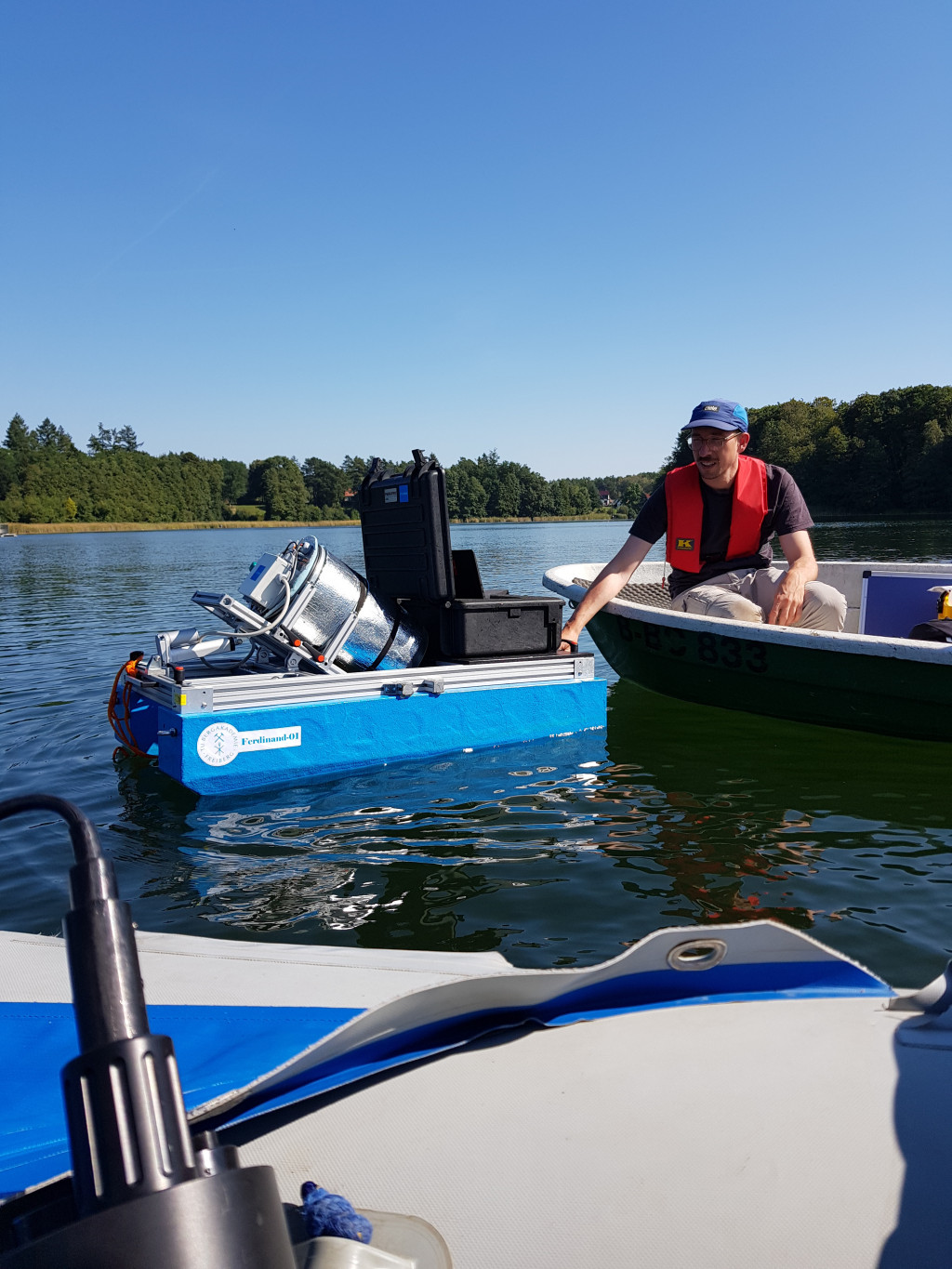
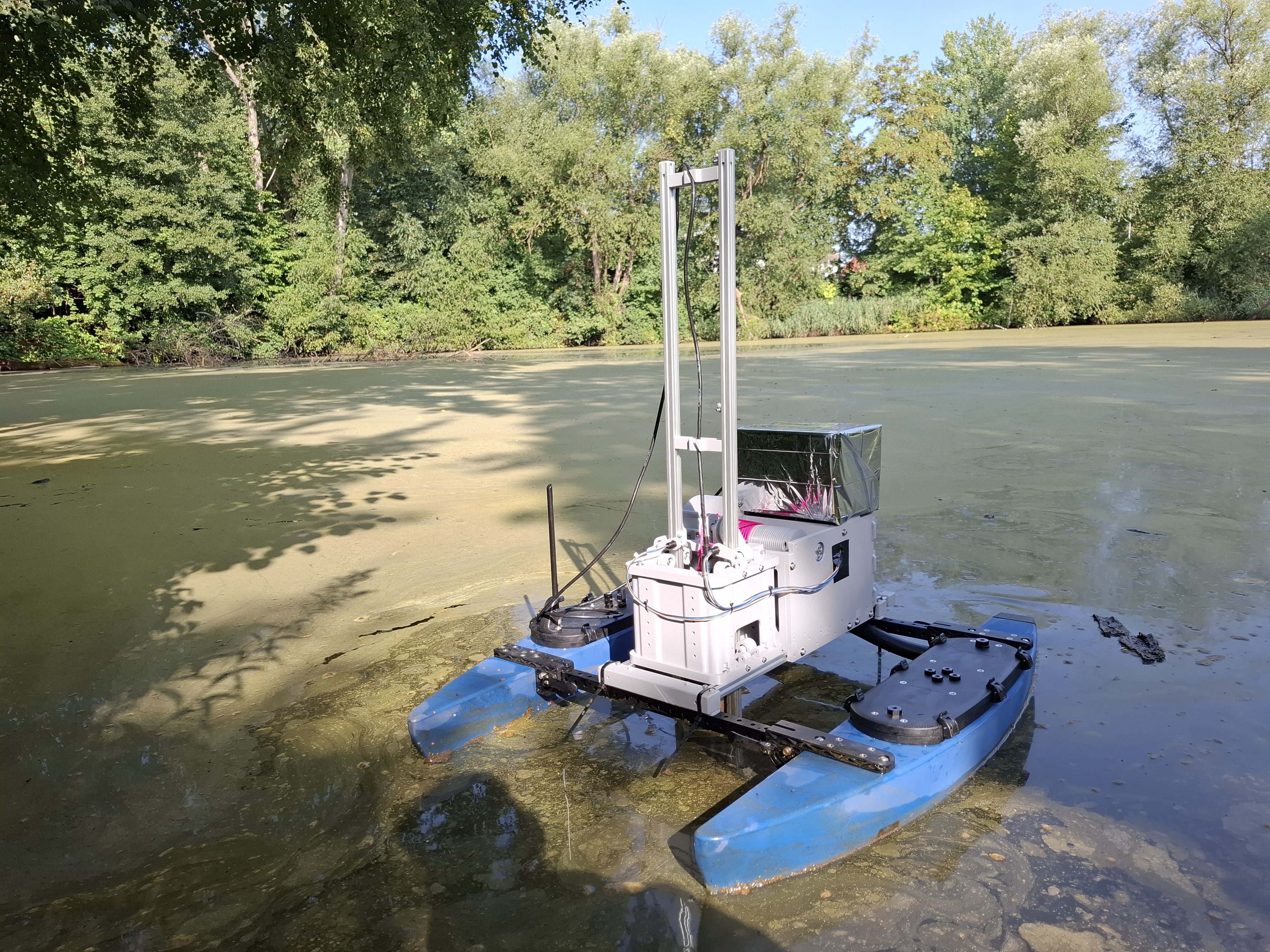
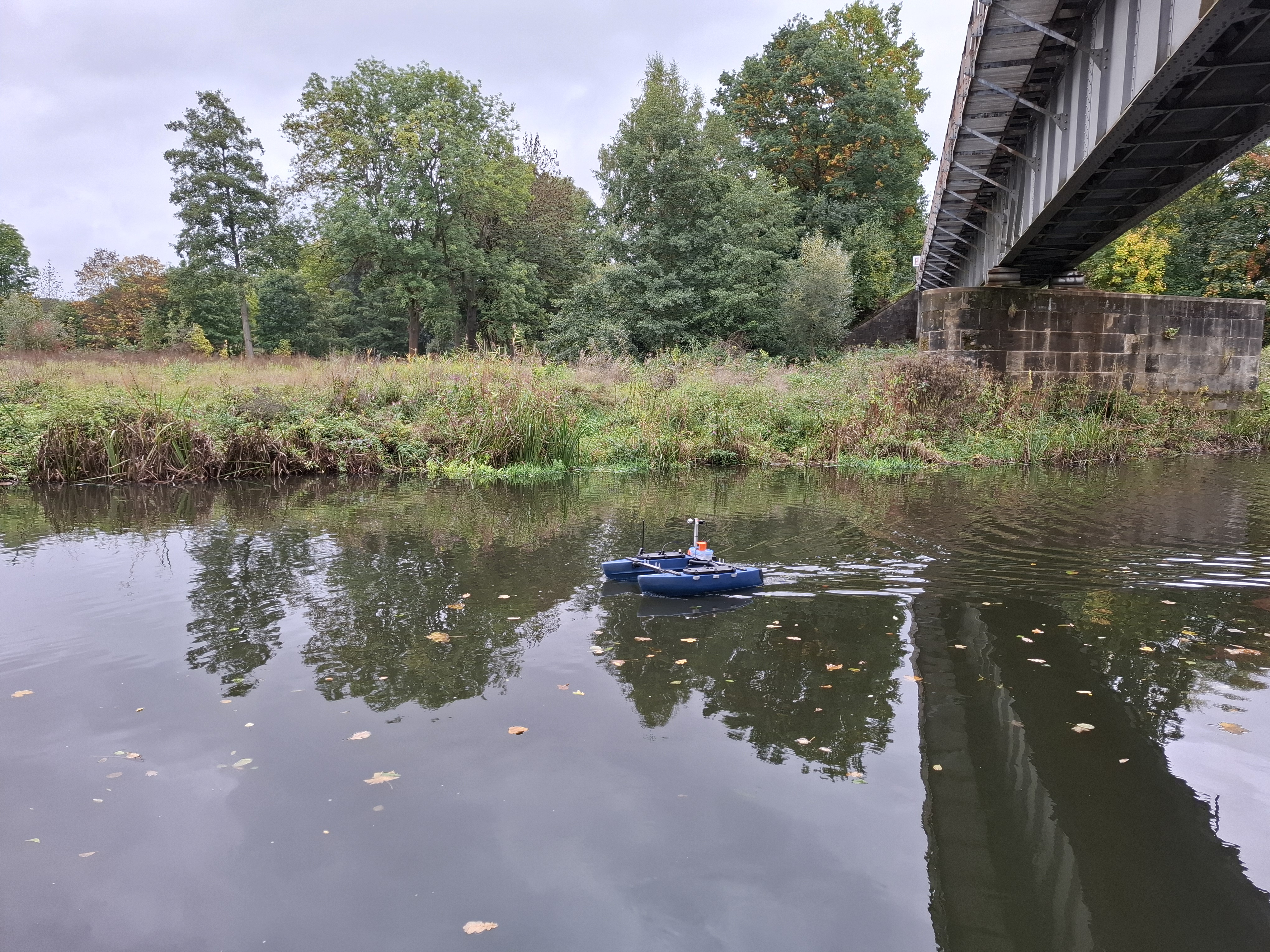
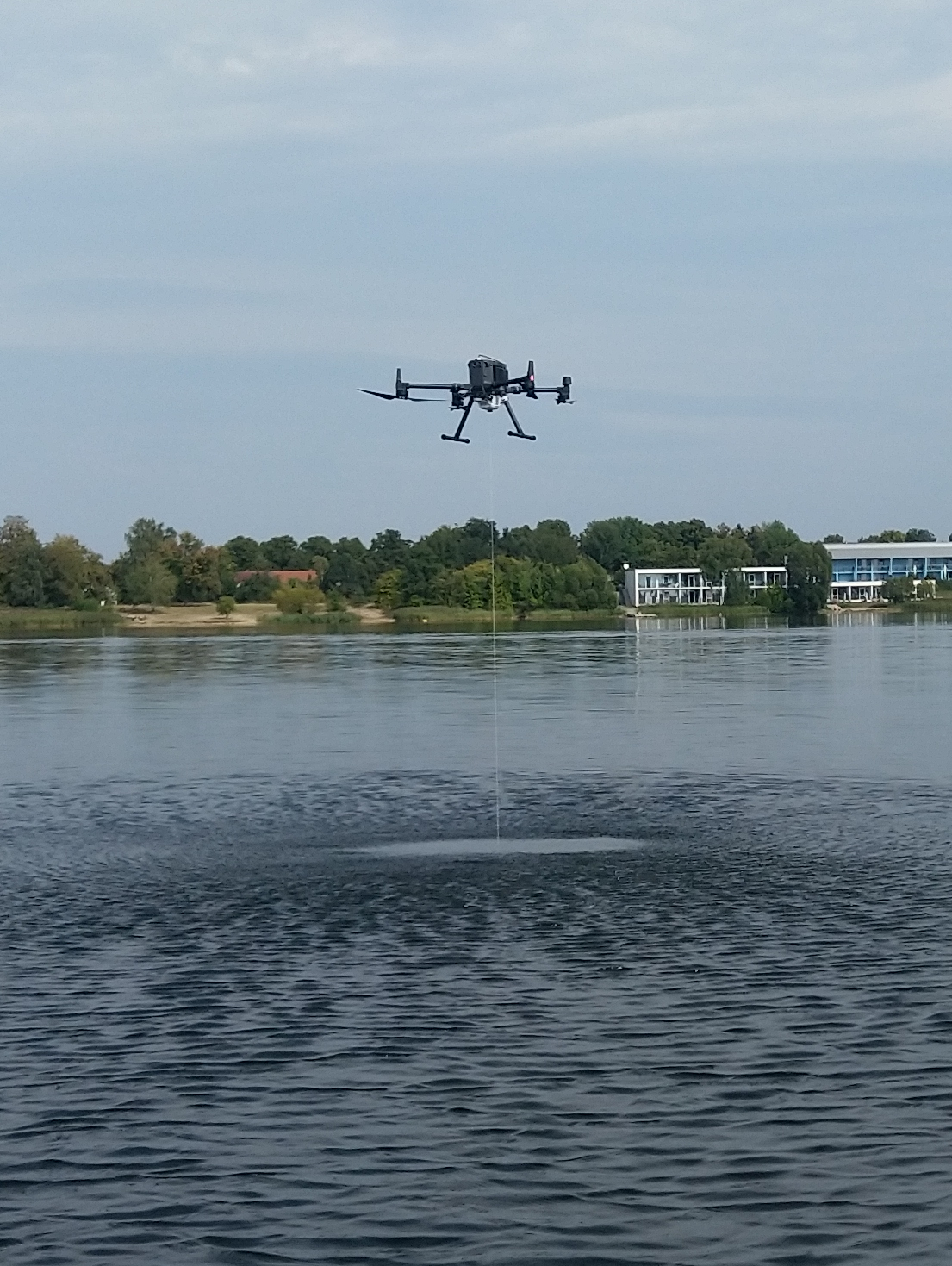
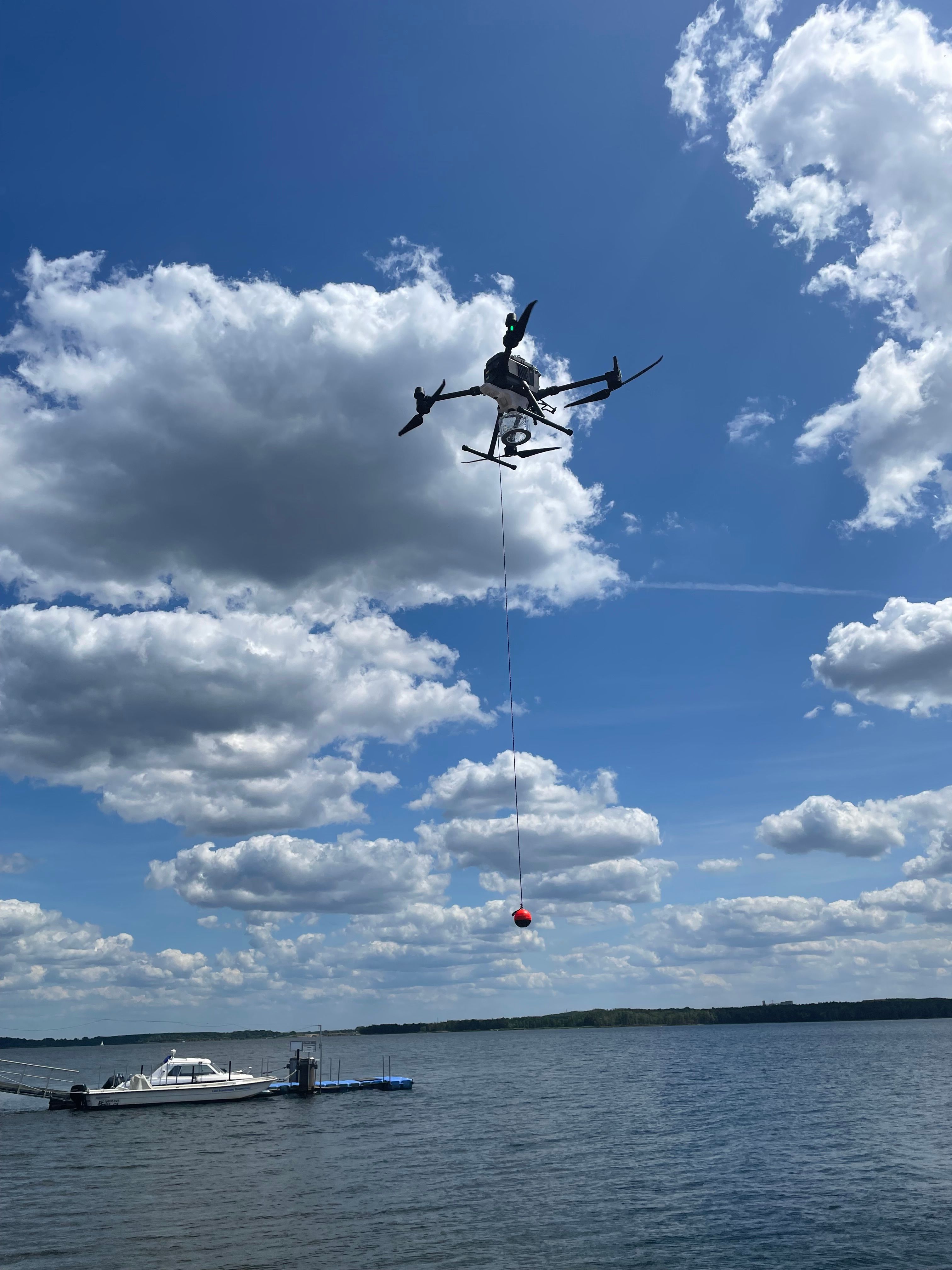
The project is therefore developing a robotic solution that involves designing a collaborative measurement concept for a drone and a floating robot. Based on known information, the drone collects data on phenomena detectable at the surface, after which the robot performs localized sampling at depth using a deployable sensor array. The measurement strategy for the floating robot is derived from the drone data. Particular attention is paid to mapping the vegetation in and around the water, which serves as a critical indicator of changes in water quality. The images captured by an underwater camera are analyzed using an AI-based classification method to determine the species composition of the aquatic plants. To this end, online methods are being tested that can evaluate the classification quality during image capture in order to trigger an adjustment to the image capture process if necessary.